
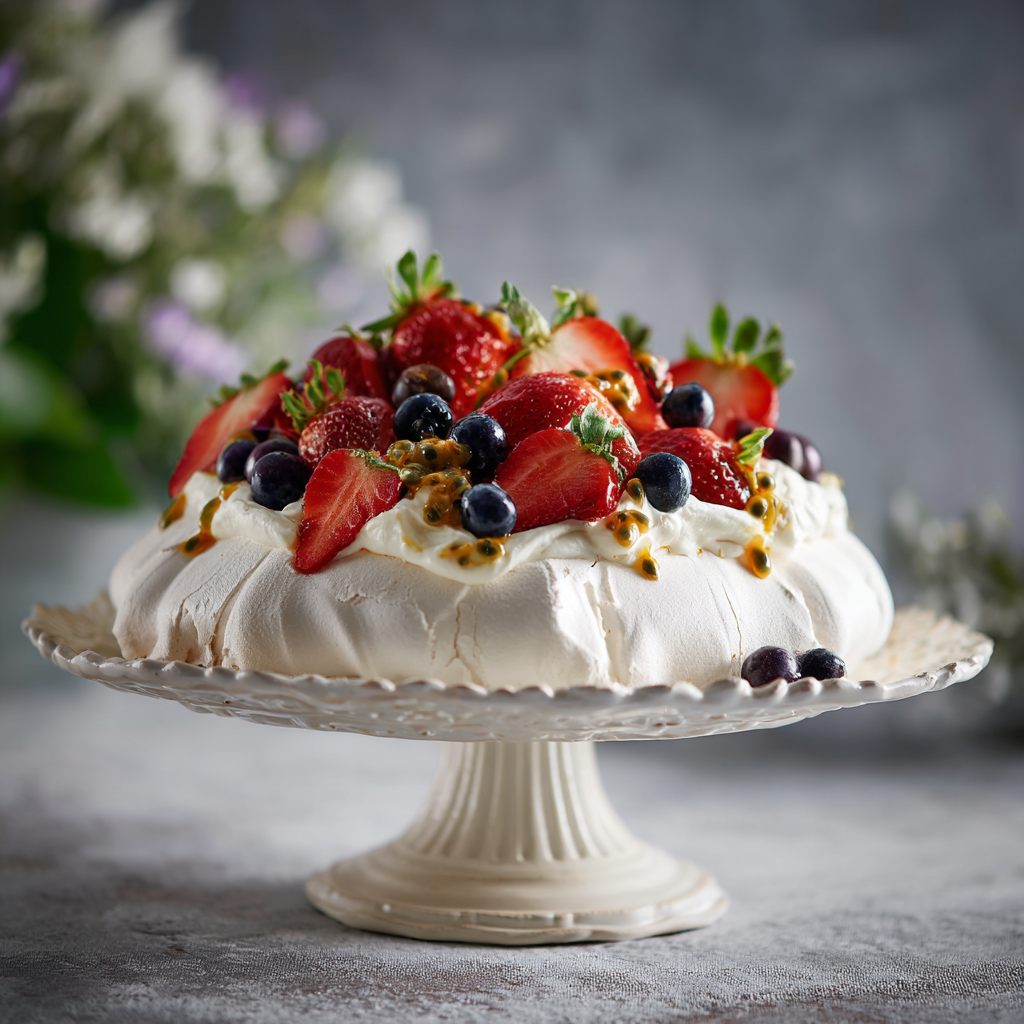
How to Make a Perfect Pavlova is something every home baker should know. A crisp, delicate shell with a soft, marshmallowy centre creates one of the most elegant yet surprisingly simple desserts you can serve. Whether you're baking for Christmas, summer celebrations, or a dinner party, this classic pavlova recipe delivers reliable results every time.
If you've ever struggled with cracked shells, sticky meringue, or collapsed centres, don't worry. Once you understand the method behind how to make a perfect pavlova, you'll feel confident baking it again and again.
I grew up watching pavlovas appear at every special occasion. It quickly became the dessert everyone requested. Over time, I refined the method, tested temperatures, and adjusted mixing times until I could consistently create that signature crisp exterior and pillowy centre. Now, this is the only way I make pavlova.
Ingredients
Equipment
Method
- Preheat oven to 120°C/245°F (110°C fan). Line tray with parchment and draw 23 cm circle.
- Beat egg whites and cream of tartar until soft peaks form.
- Gradually add caster sugar one tablespoon at a time, beating well between additions until glossy and smooth.
- Shape meringue into circle on tray, creating decorative swirls.
- Bake 80-90 minutes until shell is firm. Turn off oven and cool completely inside.
- Whip cream with vanilla and sugar. Spread on pavlova and decorate with fresh fruit.
Nutrition
Notes
Tried this recipe?
Let us know how it was!Why You'll Love This Perfect Pavlova Recipe
Crisp Outside, Marshmallow Centre
The magic of learning how to make a perfect pavlova lies in achieving texture contrast. The outside should be dry and crisp, while the inside remains soft and slightly chewy.
Because this recipe uses gradual sugar incorporation and slow baking, the meringue sets beautifully without drying out completely.
A Reliable Make-Ahead Dessert
Pavlova works perfectly as a make-ahead dessert. You can bake the shell the night before and let it cool in the oven overnight. Then simply decorate it before serving.
This makes it ideal for holidays and gatherings when oven space is limited.
Ingredients for How to Make a Perfect Pavlova
Simple Pantry Staples
You only need a few ingredients:
- Egg whites (room temperature)
- Caster sugar (superfine sugar)
- Cream of tartar (or white vinegar)
- Fresh cream
- Vanilla extract
- Fresh fruit for topping
Room temperature egg whites whip to better volume. Meanwhile, caster sugar dissolves more easily, preventing a gritty texture.
Cream of tartar stabilizes the egg whites, helping maintain structure.
Step-by-Step: How to Make a Perfect Pavlova
Step 1: Prepare the Tray
Preheat your oven to 120°C (245°F), or 110°C fan.
Line a baking tray with parchment paper and draw a 23 cm circle as your guide. Flip the paper so the pencil mark sits underneath.
Step 2: Whip the Egg Whites
Using a clean, dry bowl, beat the egg whites with cream of tartar on medium speed until soft peaks form.
Take your time here. This stage builds the foundation for how to make a perfect pavlova.
Step 3: Add Sugar Gradually
Add caster sugar one tablespoon at a time, beating for about 30 seconds between each addition.
Once all sugar is added, continue mixing until the meringue becomes thick and glossy. This usually takes around 10 minutes total.
Rub a small amount between your fingers. If it feels smooth, it's ready. If gritty, keep whisking.
Step 4: Shape the Pavlova
Dollop the meringue inside your drawn circle.
Using an offset spatula, gently shape it into a tall round. Create upward swirls around the sides for a decorative finish.
Step 5: Bake Low and Slow
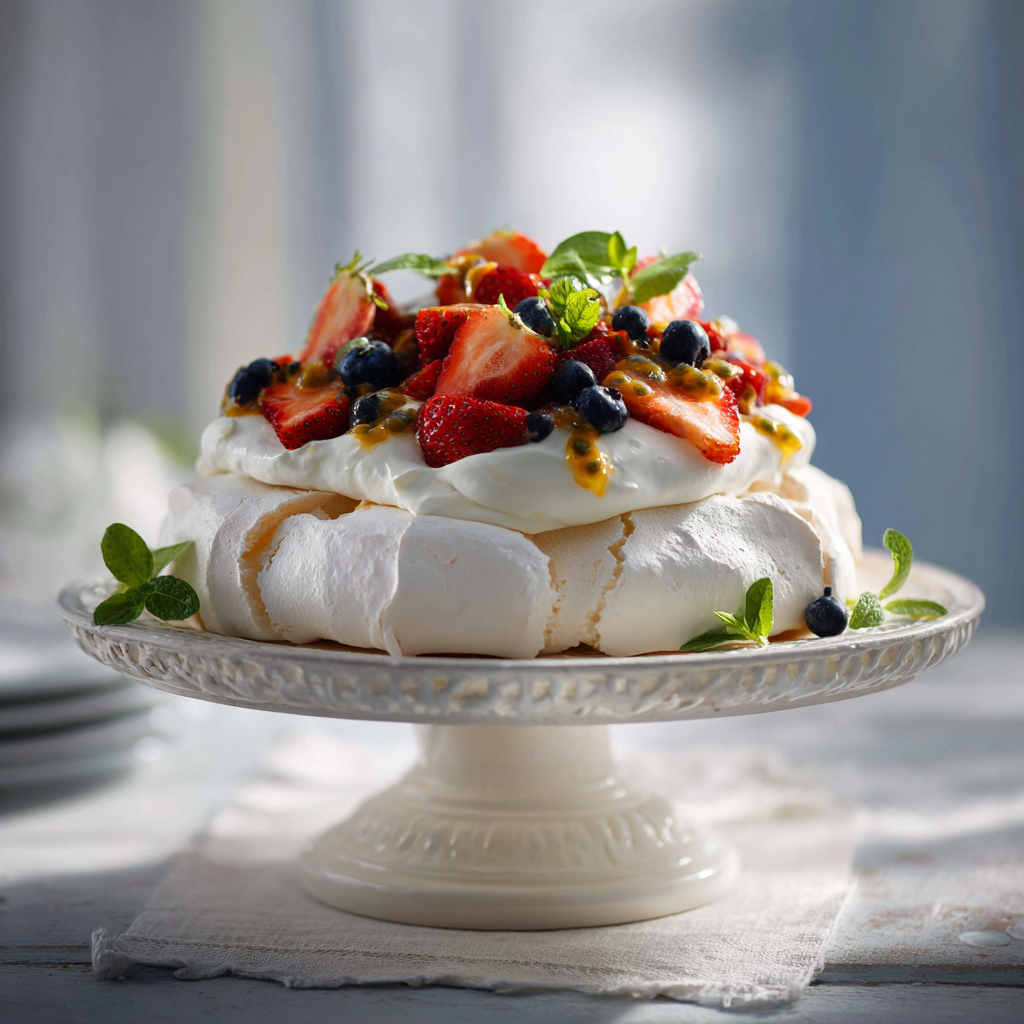
Bake for 80-90 minutes until the shell feels firm.
Then turn off the oven and leave the pavlova inside to cool completely with the door closed. This slow cooling prevents cracking and collapse.
Troubleshooting: How to Make a Perfect Pavlova Every Time
Pavlova Is Sticky or Weeping
- Sugar wasn't fully dissolved.
- Humidity may be too high.
- Use caster sugar instead of granulated.
Humidity plays a huge role. Avoid baking on extremely humid days if possible.
Pavlova Cracked
Small cracks are normal. However, large cracks often result from:
- Oven temperature too high.
- Opening the oven door during baking.
- Removing it before fully cooled.
Pavlova Turned Brown
Your oven may run hot. Use an oven thermometer to check accuracy.
Decorating Your Perfect Pavlova
Cream First
Whip cream with vanilla and sugar until stiff peaks form. Spread gently over the cooled shell.
Add Texture and Color
Top with seasonal fruit such as:
- Strawberries
- Raspberries
- Blueberries
- Passionfruit
- Mango
You can also add shaved chocolate or toasted nuts for extra texture.
Decorate within 1-2 hours of serving to maintain the crisp shell.
Storage and Make-Ahead Tips
Before Decorating
Store the cooled, undecorated pavlova in an airtight container at room temperature for up to 1 day.
After Decorating
Refrigerate and serve the same day. Once topped with cream and fruit, the shell gradually softens.
Freezing is not recommended, as it affects texture.
Frequently Asked Questions
Why does my pavlova crack?
Cracks usually form from temperature changes. Always bake low and cool slowly inside the oven.
Why is my pavlova sticky?
Humidity and undissolved sugar are the most common causes.
Can I make pavlova ahead of time?
Yes. Bake the shell the day before and decorate just before serving.
How long before serving should I decorate it?
Decorate within 1-2 hours of serving for best texture.
Can I flavor the meringue?
You can add a small amount of vanilla extract, but avoid adding too much liquid.
Conclusion
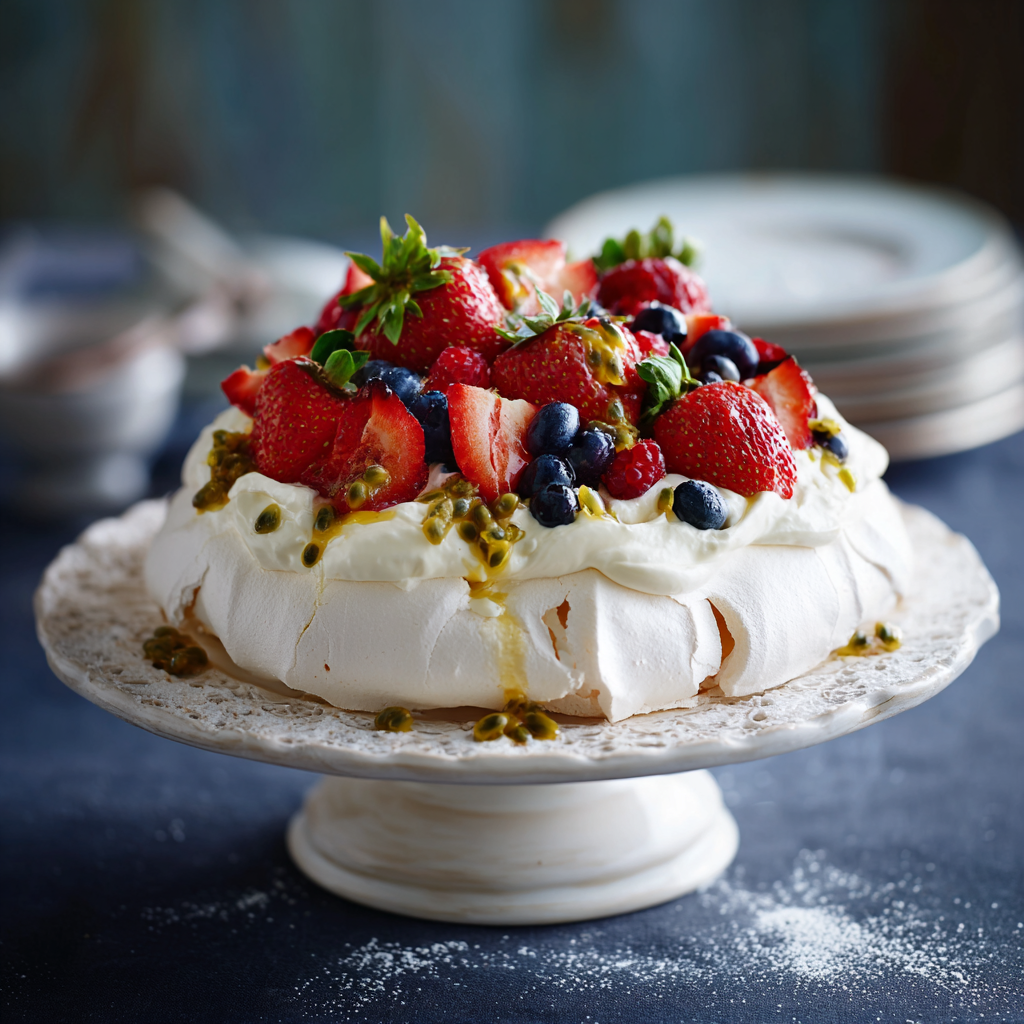
Learning how to make a perfect pavlova gives you a reliable, elegant dessert that looks impressive yet requires only a handful of ingredients. With a crisp shell, marshmallow centre, and fresh toppings, this pavlova recipe becomes a guaranteed showstopper.
Once you master how to make a perfect pavlova, you'll find yourself making it for every celebration.
Leave a Reply